- Your cart is empty
- Continue Shopping


Codeine Phosphate 60 mg Tablets (28 Tablets): A Comprehensive Guide
- blog, Caregiver Tips, Continence Care, Family Care
- Posted on
-
by pharm_product
- 0 comments
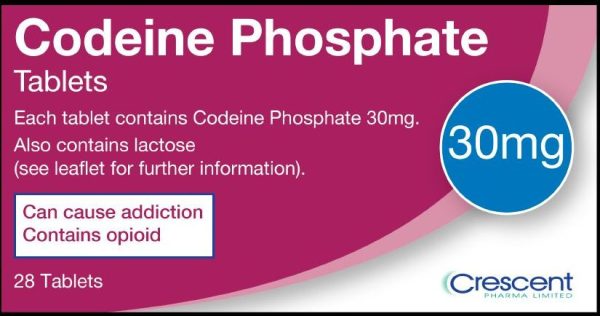
If you’re looking for reliable information on Codeine Phosphate 60 mg Tablets, including their uses, how they work, potential risks, and how to take them safely, this comprehensive guide has you covered.
You can view the product here: Codeine Phosphate 60 mg Tablets – 28 Tablets on PharmForYou.
What Are Codeine Phosphate 60 mg Tablets?
Codeine Phosphate 60 mg Tablets are a prescription medicine containing the active ingredient codeine phosphate, which belongs to a class of medicines known as opioid analgesics. These medicines act on the central nervous system to relieve pain and suppress unwanted symptoms such as cough.
The tablets are commonly prescribed for adults to treat:
- Mild to moderate pain when other painkillers alone (like ibuprofen or paracetamol) are not sufficient.
- Dry or painful cough, especially when coughing interrupts normal activities or sleep.
- Diarrhoea in some cases, by slowing bowel movement (though this use is less common).
Each tablet delivers 60 mg of codeine phosphate, a standard dose used in many regions including the UK.
How Does Codeine Work?
Codeine is classified as a centrally acting weak opioid. It exerts its effects by binding to opioid receptors in the brain and spinal cord. This mechanism reduces the perception of pain and suppresses the cough reflex. Codeine itself has a relatively low direct activity, but the body metabolises it into morphine, which produces much of its effect.
Because of this metabolism, codeine’s effectiveness and side effects can vary significantly from person to person based on genetics (specifically liver enzymes like CYP2D6). Some people convert codeine into morphine more quickly than others, increasing the risk of stronger effects and side effects, while others convert it less efficiently and get minimal pain relief.
Recommended Uses in Detail
1. Pain Relief
Codeine phosphate 60 mg tablets are typically used for pain that is not adequately controlled by over-the-counter medications alone.
- Adults: Typically 30–60 mg every 4–6 hours as needed, up to 240 mg per day.
- Duration of treatment should be as short as possible. If pain persists for more than a few days, consult your doctor.
2. Cough Suppression
For dry or painful coughs, codeine can help by reducing the urge to cough.
- Adults: Often 15–30 mg 3–4 times daily (the dose can be adjusted within this range based on symptoms and doctor’s advice).
3. Diarrhoea
Although not as commonly used today for diarrhoea, codeine’s slowing effect on bowel movement may be helpful in some cases.
- Adults: Typical doses range from 15–60 mg every 4–6 hours depending on symptoms.
Special Populations
- Children under 12 years: Codeine phosphate should not be used, due to risk of unpredictable and potentially dangerous metabolism.
- Elderly patients: May require dose adjustments, especially when kidney or liver function is reduced.
Dosage and Administration
Proper dosing is essential to balance effectiveness with safety.
- Take orally with or without food, as prescribed.
- Do not exceed the recommended maximum of 240 mg codeine daily unless specifically directed by a healthcare provider.
- Tablets should be swallowed whole and not crushed or chewed.
- Always follow your doctor’s instructions and the prescription label.
If you miss a dose, take it as soon as you remember unless it is close to the next scheduled dose. Do not double doses to make up for a missed one.
Side Effects and Risks
Like all medicines, codeine phosphate tablets can cause side effects, especially when taken in higher doses or for long periods.
Common Side Effects
These include:
- Drowsiness, dizziness, or light-headedness — especially when first starting or with dose increases.
- Nausea and vomiting — common with opioid medicines.
- Constipation — opioids slow gastrointestinal movement.
- Dry mouth and sweating.
Serious Side Effects
Less common but more serious reactions may include:
- Respiratory depression, particularly at high doses or if combined with other sedatives.
- Confusion, mood changes, or hallucinations.
- Severe allergic reactions, such as rash or swelling.
Dependence and Addiction
Prolonged use of codeine can lead to physical dependence and tolerance, meaning higher doses might be required to achieve the same effect. Withdrawal symptoms like irritability and restlessness may occur if the medicine is suddenly stopped after long-term use.
Precautions and Interactions
Important Warnings
- Avoid use in people with respiratory depression or acute asthma.
- Not recommended in breastfeeding women.
- Use caution in those with liver or kidney impairment.
- Individuals who are ultra-rapid metabolizers of codeine can have excessive morphine levels, increasing risk of overdose symptoms.
Drug Interactions
Codeine can interact with:
- Alcohol, increasing sedation and respiratory depression.
- Sedatives or sleeping medicines, such as benzodiazepines.
- Antihistamines and certain antidepressants, increasing the risk of drowsiness or breathing problems.
Always tell your doctor or pharmacist about all medications you are taking before starting codeine.
Storage and Disposal
- Store in a dry place below 25 °C, in the original packaging.
- Keep out of sight and reach of children.
- Do not flush unused medicine; ask a pharmacist about proper disposal.
Legal Status and Prescription Guidelines
In the UK and many other countries, Codeine Phosphate 60 mg Tablets are prescription-only medications. You cannot legally buy or use them without a valid prescription from a qualified healthcare professional, due to their potential for abuse and addiction. They are regulated as controlled substances in many jurisdictions.
Common Misconceptions
“Codeine is just like paracetamol.”
This is not true. While codeine does relieve pain, it’s an opioid that works differently in the brain and has a higher risk of dependence and serious side effects.
“Taking more will get rid of pain faster.”
Higher doses do not necessarily improve pain relief and significantly increase the risk of dangerous side effects, including respiratory depression. Always stick to the prescribed dose.
Frequently Asked Questions (FAQs)
Can I take Codeine daily?
Long-term daily use is generally not recommended unless under strict medical supervision because of the risk of tolerance and dependence.
Is Codeine addictive?
Yes — prolonged use may lead to physical dependence and addiction, even at therapeutic doses.
Can I drink alcohol with codeine?
No — combining codeine with alcohol may worsen sedation and breathing problems.
Conclusion
Codeine Phosphate 60 mg Tablets (28 Tablets) are a medically valuable but carefully controlled prescription opioid medication. When used as directed under professional supervision, they can provide relief from pain, cough, and other symptoms. However, they carry serious risks including side effects, dependence, and interactions with other medicines and alcohol.
If you want more specific advice tailored to your health or prescriptions, always talk to a healthcare professional.
📌 Product Link
👉 See the product directly here: Codeine Phosphate 60 mg Tablets – 28 Tablets on PharmForYou
