- Your cart is empty
- Continue Shopping


Understanding Dihydrocodeine 30 mg: Uses, Effects, and Safety Guide
- Uncategorized
- Posted on
-
by pharm_product
- 0 comments
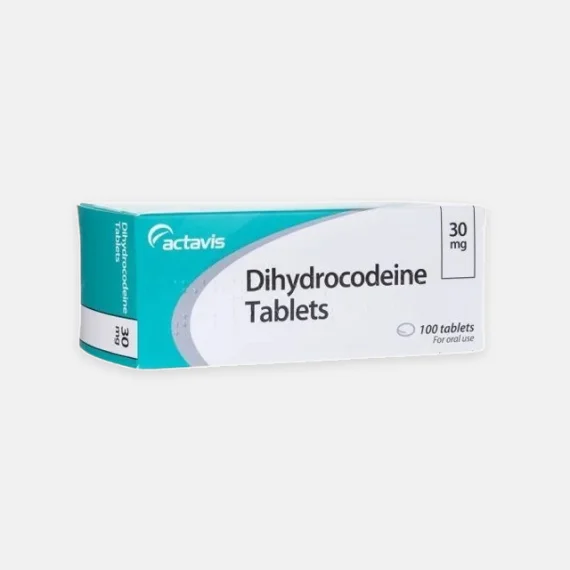
chemicals (endorphins) by binding to opioid receptors in the brain and spinal cord.
This action:
- Reduces pain transmission from nerves to the brain.
- Alters pain perception, making pain feel less intense.
- Produces mild sedation, helping patients rest.
- Suppresses coughing, due to its central cough-suppressant effects.
Because of these properties, Dihydrocodeine is prescribed for short-term pain management following injury or surgery, or for long-term pain management in specific chronic conditions when other treatments are insufficient.
Medical Uses of Dihydrocodeine 30 mg
Dihydrocodeine 30 mg is usually prescribed when non-opioid painkillers such as paracetamol or NSAIDs (ibuprofen, naproxen) are ineffective. Common medical indications include:
1. Post-operative Pain
After surgery, moderate to severe pain is common. Dihydrocodeine helps control this pain and allows patients to recover comfortably.
2. Musculoskeletal Pain
Conditions such as back pain, arthritis, joint pain, or muscle injuries can cause persistent discomfort. Dihydrocodeine can be prescribed to relieve pain and stiffness.
3. Neuralgia
Nerve-related pain conditions, such as sciatica or post-herpetic neuralgia, sometimes require stronger analgesia like Dihydrocodeine.
4. Dental or Injury-related Pain
In certain cases of dental surgery, tooth extraction, or bone injury, Dihydrocodeine 30 mg may be used for short periods.
5. Chronic Pain Syndromes
In select chronic cases, where ongoing pain management is necessary and other medicines fail, doctors may use Dihydrocodeine as part of a long-term treatment plan.
Dosage and Administration
Only a qualified healthcare professional can determine the correct dosage for a patient. The following outlines general NHS-referenced guidance, not individual advice.
- Typical adult dose: 30 mg every 4–6 hours as required for pain.
- Maximum dose: Should not exceed the prescribed limit; overdosing can lead to respiratory depression or toxicity.
- Modified-release tablets: Usually taken every 12 hours, swallowed whole (not crushed or chewed).
- Children: Not generally recommended for children under 12 years.
Always take Dihydrocodeine exactly as directed by your doctor or pharmacist. Misuse or prolonged use can lead to tolerance, dependence, or addiction.
For dosage and patient-specific details, refer to the NHS medicines guide here:
Side Effects
Like all medicines, Dihydrocodeine may cause side effects. Most are mild and manageable, but some can be serious if unrecognised.
Common Side Effects
- Drowsiness or dizziness
- Nausea or vomiting
- Constipation
- Dry mouth
- Lightheadedness
- Confusion (especially in older adults)
Less Common or Serious Effects
- Breathing difficulty or shallow breathing
- Severe drowsiness or fainting
- Low blood pressure
- Itching or skin rash
- Dependency or withdrawal symptoms if used long-term
Managing Side Effects
- Drink plenty of water and eat fibre-rich foods to prevent constipation.
- Avoid alcohol or sedatives unless your doctor approves.
- Do not drive or operate machinery until you know how the medicine affects you.
If severe symptoms occur, contact your doctor or emergency services immediately.
Risks and Warnings
1. Addiction and Dependence
Dihydrocodeine can be habit-forming if used for prolonged periods. Dependence means your body adapts to the drug, leading to withdrawal symptoms if you stop suddenly. Always follow your doctor’s tapering plan if discontinuing.
2. Overdose Risk
Taking more than prescribed can slow breathing to dangerous levels. Signs of overdose include:
- Slow or irregular breathing
- Extreme drowsiness
- Pinpoint pupils
- Blue lips or fingernails
If overdose is suspected, seek emergency help immediately (dial 999 in the UK).
3. Drug Interactions
Avoid mixing Dihydrocodeine with:
- Alcohol
- Sleeping pills or tranquillisers (benzodiazepines)
- Other opioids (morphine, codeine, tramadol)
- Certain antidepressants or anti-epileptics
4. Medical Conditions Requiring Caution
Inform your doctor if you have:
- Asthma or breathing problems
- Liver or kidney impairment
- Head injury
- Seizure disorders
- Addiction history
Dependence, Withdrawal, and Safe Discontinuation
Prolonged opioid use can cause tolerance (needing higher doses for the same effect) and dependence. If treatment ends abruptly, withdrawal symptoms may occur, such as:
- Restlessness, sweating, or irritability
- Muscle aches
- Insomnia
- Nausea or diarrhoea
To prevent withdrawal, doctors gradually reduce dosage (a process called tapering). If you’ve been taking Dihydrocodeine for more than a few weeks, never stop suddenly without medical advice.
Dihydrocodeine vs. Other Painkillers
| Medicine | Type | Potency | Typical Use |
|---|---|---|---|
| Paracetamol | Non-opioid | Mild | Headache, mild pain |
| Ibuprofen | NSAID | Mild-moderate | Inflammation, pain |
| Codeine | Weak opioid | Mild-moderate | Moderate pain, cough |
| Dihydrocodeine | Opioid | Moderate-strong | Moderate-severe pain |
| Morphine | Strong opioid | High | Severe pain, cancer pain |
This comparison shows where Dihydrocodeine sits — stronger than codeine but weaker than morphine, making it a middle-strength opioid suitable for patients needing more relief without full morphine potency.
Safe Use Guidelines
To ensure Dihydrocodeine is used safely and effectively:
- Follow your prescription exactly. Do not change dose frequency.
- Store safely away from children or others.
- Avoid alcohol and sedative drugs.
- Do not share your medication.
- Dispose of unused tablets responsibly (return to pharmacy).
- Keep track of how many tablets you have and when you take them.
These measures reduce risks of misuse, overdose, or accidental ingestion.
Legal Status in the UK
Dihydrocodeine is classified as:
- Prescription-Only Medicine (POM) under the Human Medicines Regulations 2012
- Schedule 5 controlled drug under the Misuse of Drugs Act 1971 (for some formulations)
This means it is illegal to obtain or possess Dihydrocodeine without a valid prescription. Always use legitimate UK-registered pharmacies approved by the General Pharmaceutical Council (GPhC).
You can verify a UK pharmacy’s legitimacy here:
Misuse and Addiction Awareness
Because of its opioid properties, Dihydrocodeine has potential for misuse. Taking higher doses or using it recreationally can lead to:
- Physical dependence
- Psychological addiction
- Respiratory depression
- Overdose
If you think you or someone you know may be developing a dependency, seek help from your GP or addiction support services such as:
Alternatives and Complementary Options
For some patients, Dihydrocodeine may not be suitable. Alternatives include:
- Non-opioid painkillers: paracetamol, NSAIDs
- Combination therapy: paracetamol + codeine (co-codamol)
- Adjuvant medicines: certain antidepressants or anticonvulsants for nerve pain
- Physical therapy, acupuncture, or relaxation therapy for chronic pain management
Pain management should be holistic — combining medication, lifestyle changes, and non-drug therapies for best results.
Pregnancy and Breastfeeding
Pregnancy: Dihydrocodeine should be used during pregnancy only if clearly necessary and prescribed by a doctor. Prolonged use may cause neonatal withdrawal symptoms.
Breastfeeding: Small amounts pass into breast milk and could affect the infant. Discuss risks with your healthcare provider before using.
Storage and Handling
- Store in a cool, dry place (below 25 °C).
- Keep in original packaging.
- Away from heat, moisture, and direct sunlight.
- Return unused or expired tablets to your pharmacist for safe disposal.
Recognising and Managing Overdose
Symptoms:
- Slow or shallow breathing
- Severe drowsiness
- Cold, clammy skin
- Pinpoint pupils
- Loss of consciousness
Action:
- Call emergency services (999 UK).
- If available, administer naloxone (opioid antidote) if trained.
- Stay with the person until help arrives.
Opioid overdoses are medical emergencies. Early intervention saves lives.
FAQs about Dihydrocodeine 30 mg
1. Is Dihydrocodeine stronger than codeine?
Yes, Dihydrocodeine is roughly 1.5 times stronger than codeine for pain relief.
2. Can I drive while taking it?
Not recommended. Dihydrocodeine causes drowsiness and slows reaction time.
3. Is it safe to take with paracetamol?
Yes, under medical advice, Dihydrocodeine can be combined with paracetamol for enhanced pain relief (sometimes prescribed together).
4. Can I drink alcohol while using Dihydrocodeine?
No. Alcohol increases drowsiness and risk of respiratory depression.
5. How long can I take it?
Short-term use is typical. Long-term use requires careful monitoring due to tolerance and dependency risks.
Patient Responsibility and Monitoring
If you’re prescribed Dihydrocodeine 30 mg:
- Attend regular doctor reviews to assess pain control and side-effects.
- Report any breathing issues, confusion, or persistent constipation.
- Do not combine with other opioids or sedatives without approval.
- Follow a weaning plan if discontinuing.
Doctors may periodically assess continued need to ensure you’re not developing dependence.
Conclusion
Dihydrocodeine 30 mg is an effective opioid painkiller used for managing moderate to severe pain when other medicines are insufficient. When used responsibly under medical supervision, it offers significant relief and improves quality of life for patients struggling with persistent pain.
However, because of its potential for addiction and overdose, it must always be taken exactly as prescribed. Understanding how it works, its side-effects, and your responsibilities as a patient ensures safe and effective use.
Disclaimer
This article is for educational purposes only. It is not a substitute for professional medical advice, diagnosis, or treatment. Always seek the advice of your doctor or qualified healthcare provider regarding any medical condition or medication.
Buy Now
