- Your cart is empty
- Continue Shopping


Dihydrocodeine 30mg – Comprehensive Information Guide (100 Tablets Pack)
- Uncategorized
- Posted on
-
by pharm_product
- 0 comments
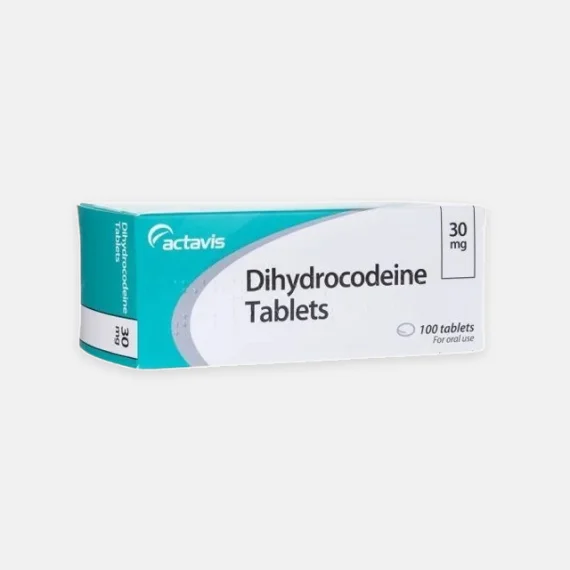
In the field of pharmaceutical pain management, Dihydrocodeine 30mg Tablets have become a well-known medication prescribed by healthcare professionals for certain types of moderate pain when other analgesics are not sufficient. This guide provides an informational overview of Dihydrocodeine 30mg (100 tablets), exploring its background, characteristics, uses under prescription supervision, packaging, safety labeling, and other essential details.
You can view the product directly at
👉 https://pharmforyou.co.uk/product/dihydrocodeine-30mg-100-tablets/.
1. Introduction to Dihydrocodeine
Dihydrocodeine is a semi-synthetic opioid analgesic that belongs to the same family of medications used for pain relief when over-the-counter options such as paracetamol or ibuprofen are not effective. It was first synthesized in the early 20th century as a derivative of codeine, intended to provide better pain-relieving properties with controlled pharmacological effects.
While it is prescribed by doctors for certain conditions, it’s a controlled medication in the UK, and therefore available only with a valid prescription. Dihydrocodeine’s strength and classification require it to be handled responsibly, following all medical and legal guidelines.
2. Composition and Formulation
Each Dihydrocodeine 30mg tablet typically contains:
- Active ingredient: Dihydrocodeine Tartrate (equivalent to 30mg of Dihydrocodeine)
- Other ingredients (excipients): lactose, starch, magnesium stearate, and binding agents that ensure tablet consistency and stability.
The tablets are usually white or off-white, film-coated, round, and marked for easy identification.
They are manufactured according to pharmaceutical Good Manufacturing Practice (GMP) standards to ensure product purity and consistency.
3. Availability and Packaging
The product is often supplied in packs of 100 tablets, securely packaged in blister strips or sealed containers to protect from moisture and contamination.
For official retail presentation and regulated sale in the UK, you can visit:
👉 https://pharmforyou.co.uk/product/dihydrocodeine-30mg-100-tablets/
Packaging details usually include:
- Manufacturer name and license number
- Batch number and expiry date
- Dosage strength (30mg)
- Prescription-only symbol (℞)
- Storage recommendations (keep below a certain temperature, away from children)
This level of labeling is required to meet MHRA (Medicines and Healthcare products Regulatory Agency) standards.
4. General Indications (for informational context)
Dihydrocodeine is generally known for its analgesic (pain-relieving) properties and may be prescribed by healthcare professionals for moderate pain that doesn’t respond to mild analgesics.
Such pain may include:
- Post-operative discomfort (after surgery)
- Musculoskeletal pain (such as sprains or fractures)
- Dental or bone-related pain
- Chronic pain under medical supervision
It’s important to note that this information is for general awareness only. Any actual use of Dihydrocodeine must follow a qualified doctor’s advice and prescription.
5. How Dihydrocodeine Works (Mechanism Overview)
At a biological level, Dihydrocodeine works by interacting with opioid receptors in the brain and spinal cord, reducing the perception of pain and altering the body’s emotional response to discomfort.
When the receptors are activated, they decrease pain signal transmission through the nervous system, leading to a reduction in the sensation of pain.
Because of this mode of action, the medicine falls under the category of opioid analgesics, which must be prescribed carefully to prevent dependency or misuse.
6. Responsible Use and Prescription Control
As a controlled medicine, Dihydrocodeine 30mg is available only under medical prescription in the UK. Pharmacies such as Pharm For You ensure that sales and supply meet all current UK pharmaceutical guidelines.
Responsible use includes:
- Dispensing only against valid prescriptions
- Following medical supervision
- Not sharing the medicine with others
- Storing securely out of reach of children
This controlled distribution helps ensure that Dihydrocodeine remains a safe and effective option for patients who genuinely need it.
7. Key Safety Information (General Awareness)
While this article does not provide dosage or medical guidance, it’s important to be aware of the safety aspects of opioid-based medications.
General information for awareness:
- Should only be used as prescribed by a registered medical practitioner.
- Never mix with alcohol or other sedatives unless instructed by a doctor.
- May cause drowsiness in some individuals.
- Should not be used as a self-medication for general discomfort.
The pharmacy label and patient information leaflet (supplied with every pack) contain full details for users under supervision.
8. Legal Classification and Control (UK Context)
Dihydrocodeine is classified as a Prescription-Only Medicine (POM) in the UK under the Misuse of Drugs Regulations.
This classification ensures that its use is strictly monitored. Pharmacies and online suppliers like Pharm For You must comply with UK pharmaceutical laws, including proper prescription validation, record-keeping, and secure delivery.
Each sale is verified for authenticity and legitimacy before the medicine is dispatched, protecting patients and maintaining public safety.
9. Storage and Handling
To maintain quality and effectiveness, Dihydrocodeine tablets should be stored:
- In a cool, dry place
- Away from direct sunlight or heat sources
- Out of sight and reach of children
- In their original packaging to prevent contamination
Pharmacies generally advise checking the expiry date before use and returning expired medicines to a pharmacy for safe disposal.
10. Dihydrocodeine in Pain Management Programs
In many clinical environments, Dihydrocodeine is part of a broader pain management plan designed by healthcare professionals.
It may be used in rotation with or as a follow-up to other prescribed medicines to balance pain control and minimize side effects.
Its use requires careful patient assessment, taking into account medical history, tolerance, and overall pain management goals.
This structured approach helps healthcare providers manage pain effectively while maintaining safety.
11. Common Pharmaceutical Practices
Manufacturers and licensed distributors are responsible for ensuring that every batch of Dihydrocodeine 30mg complies with stringent UK pharmaceutical manufacturing standards.
Key steps include:
- Laboratory testing of raw materials
- Stability and purity testing
- Consistent dosage checks
- Secure packaging and labeling
By following these protocols, pharmacies like Pharm For You provide customers with legitimate and reliable medications that meet the same standards as high-street pharmacy products.
12. Information for Patients and Caregivers
Patients prescribed Dihydrocodeine should always:
- Read the patient information leaflet provided in the box.
- Confirm authenticity by checking batch and expiry details.
- Store medication responsibly and never share it.
- Return any unused medicine to the pharmacy for safe disposal.
Caregivers should ensure the medication is taken as prescribed and that storage guidelines are followed to prevent accidental access.
13. Recognising Authentic Pharmacies Online
With the rise of online pharmacies, it’s important to purchase only from licensed, regulated sources.
Websites such as https://pharmforyou.co.uk/product/dihydrocodeine-30mg-100-tablets/ display their pharmacy registration details and provide secure ordering systems.
Authentic online pharmacies:
- Display the General Pharmaceutical Council (GPhC) registration number
- Require valid prescriptions for prescription-only medicines
- Offer contact details for professional support
- Use secure payment systems and UK-based delivery networks
Consumers should always verify that an online pharmacy meets these standards before ordering prescription medications.
14. Dihydrocodeine vs. Other Prescription Analgesics (Informational Comparison)
Dihydrocodeine sits within a class of medicines that includes codeine and other mild-to-moderate opioids.
While each has similar pain-relieving mechanisms, they differ in strength, onset time, and duration.
Healthcare providers choose between them based on the patient’s condition, medical history, and pain severity.
This ensures that each individual receives the most appropriate treatment while minimizing risks.
15. Side Effects and Warnings (General Awareness Only)
Like many medicines, Dihydrocodeine may have side effects that are clearly described in its patient information leaflet.
Commonly reported ones (for general awareness only) may include mild nausea or drowsiness.
It’s important to note:
- This information is not a substitute for medical advice.
- Any new or unexpected symptoms should always be discussed with a qualified healthcare provider.
The patient information leaflet inside the pack remains the best resource for officially approved safety information.
16. Environmental Responsibility
Proper disposal of pharmaceutical products is essential. Expired or unused Dihydrocodeine tablets should never be thrown into household waste or water systems.
Pharmacies like Pharm For You can assist with safe medicine return programs to ensure environmentally friendly disposal methods.
17. Frequently Asked Questions (FAQ)
Q1: What does each Dihydrocodeine tablet contain?
Each tablet contains 30mg of Dihydrocodeine Tartrate as the active ingredient, plus standard tablet excipients.
Q2: Can this medicine be purchased online?
Yes, but only through licensed UK pharmacies such as Pharm For You and only with a valid prescription.
Q3: Is Dihydrocodeine safe for everyone?
Only a qualified medical professional can determine suitability based on individual health conditions.
Q4: Why is Dihydrocodeine prescription-only?
Because it contains an opioid component that must be used responsibly and under supervision to prevent misuse.
Q5: How should it be stored?
In its original packaging, away from moisture, heat, and children’s access.
18. Key Takeaways
- Dihydrocodeine 30mg Tablets are prescription-only analgesics intended for medically supervised pain relief.
- Each pack of 100 tablets is produced according to regulated pharmaceutical standards.
- Distribution through licensed pharmacies ensures product safety and compliance.
- Always use under proper medical direction.
- For authentic purchase and product information, visit:
👉 https://pharmforyou.co.uk/product/dihydrocodeine-30mg-100-tablets/
19. Conclusion
Dihydrocodeine 30mg remains one of the well-known prescription-only medicines used in clinical pain management settings when standard over-the-counter options are insufficient.
While it is a potent and effective analgesic under supervision, its safe use depends on responsible prescribing, regulated pharmacy supply, and patient awareness.
By purchasing from trusted sources such as Pharm For You, patients and caregivers can ensure they are receiving genuine, properly stored, and legally dispensed medication.
This article is designed solely for educational and informational purposes to help readers understand more about the medicine’s background, handling, and safety awareness in the UK pharmaceutical landscape.
