- Your cart is empty
- Continue Shopping


Buy Tramadol 50 mg Tablets Online In Uk
- blog, Caregiver Tips, Continence Care, Family Care, Personal Care, Pharmacy
- Posted on
-
by pharm_product
- 0 comments
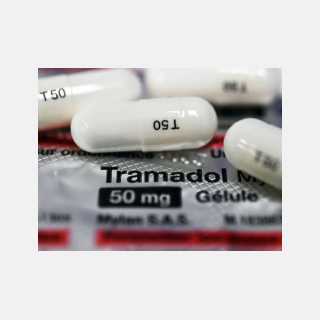
Tramadol 50 mg is a widely prescribed medication used for the management of moderate to moderately severe pain. As a controlled substance in many countries, it is considered a centrally acting analgesic that works differently from traditional pain relievers such as ibuprofen or paracetamol. Because of its effectiveness and dual-mechanism action, Tramadol is often prescribed to patients who require pain relief that goes beyond what standard over-the-counter medications can offer.
This comprehensive informational article explores everything you need to know about Tramadol 50 mg tablets—including how they work, approved medical uses, precautions, dosage guidelines, side effects, interactions, dependence concerns, and safe-use recommendations. This resource is provided to educate readers and is not a substitute for medical advice.
Buy Tramadol 50 mg Tablets Online In Uk
1. What is Tramadol 50 mg?
Tramadol is an opioid-like pain reliever belonging to the class of medications known as centrally acting analgesics. While it shares some characteristics with traditional opioids, it is structurally different and works through two main mechanisms:
- Binding to opioid receptors (μ-receptors)
- Inhibiting the reuptake of serotonin and norepinephrine
This dual action makes Tramadol both effective for certain types of pain and unique in its pharmacological profile.
The 50 mg tablet is the most commonly prescribed strength and is used as an immediate-release formulation for managing acute or episodic pain episodes. Tramadol is available only through a healthcare provider in most countries due to its potential for dependence and controlled nature.
2. How Tramadol Works in the Body
Tramadol provides pain relief through a combination of opioid and non-opioid actions:
2.1 Opioid Receptor Action
Tramadol binds to μ-opioid receptors in the brain and spinal cord. These receptors help regulate how the body perceives pain. When activated, the receptors reduce the transmission of pain signals, resulting in relief.
2.2 Neurotransmitter Reuptake Inhibition
Tramadol also inhibits the reuptake of:
- Serotonin
- Norepinephrine
These neurotransmitters play significant roles in pain modulation. By preventing their reuptake, tramadol increases their levels in the brain, strengthening the descending inhibitory pain pathways.
2.3 Onset and Duration of Relief
- Onset: Typically 30–60 minutes
- Peak Effect: 2–3 hours
- Duration: Approximately 4–6 hours for 50 mg immediate-release tablets
This makes Tramadol suitable for short-term or intermittent pain management when continuous relief is not required.
3. Approved Medical Uses of Tramadol 50 mg
Tramadol is prescribed by healthcare professionals for a range of conditions where moderate pain interferes with daily function. Common medical uses include:
3.1 Musculoskeletal Pain
This includes conditions such as:
- Back pain
- Neck pain
- Joint sprains or strains
- Acute injuries
- Post-exercise pain (as directed by a doctor)
3.2 Post-Surgical Pain
Tramadol 50 mg is often used after minor surgical procedures such as:
- Tooth extraction
- Laparoscopic surgeries
- Orthopedic procedures
Because it provides good relief without the deeper sedation associated with stronger opioids, it is often preferred for outpatient recovery.
3.3 Chronic Pain Conditions
When other treatments fail, Tramadol may be prescribed for:
- Osteoarthritis
- Fibromyalgia
- Neuropathic pain (under supervision)
3.4 Women’s Health & Gynaecological Pain
Certain types of pelvic pain, menstrual pain, or endometriosis-related discomfort may be managed with Tramadol in some cases.
It is essential to restate that Tramadol should only be used under a doctor’s recommendation because its efficacy and safety vary among individuals.
4. Dosage Information (General Educational Guidelines Only)
This section is purely informational. Actual dosage must always be determined by a healthcare professional.
The general adult dosage for Tramadol 50 mg immediate-release tablets:
- Usual dose: 50 mg
- Frequency: Every 4–6 hours as needed
- Maximum daily dose: 400 mg (this may be lower in older adults or those with health issues)
Important Notes
- Do not exceed the prescribed dosage
- Do not double doses if a dose is missed
- Do not abruptly stop long-term use—withdrawal symptoms can occur
- Dosage adjustments are needed for liver, kidney, or respiratory issues
Crushing or breaking the tablet is not recommended unless instructed by a doctor.
5. Who Should NOT Take Tramadol?
Tramadol is not suitable for everyone. Certain medical conditions or risk factors may require alternative treatments.
5.1 Absolute Contraindications
Individuals should avoid Tramadol if they have:
- Allergy to Tramadol
- Severe respiratory depression
- Acute alcohol intoxication
- Concurrent MAOI (monoamine oxidase inhibitor) use
- Severe asthma or breathing disorders
- A history of seizures uncontrolled by medication
5.2 Precautions Required for:
- People with epilepsy
- Those taking antidepressants
- Kidney or liver impairment
- Patients over age 75
- Individuals with a history of substance dependence
- Pregnant or breastfeeding individuals
Only a doctor can determine whether the benefits outweigh risks in these scenarios.
6. Possible Side Effects
Tramadol can cause a range of side effects. These may vary depending on the dose, duration of use, metabolic differences, and concurrent medications.
6.1 Common Side Effects
- Nausea
- Dizziness
- Constipation
- Dry mouth
- Headache
- Fatigue or sleepiness
- Sweating
These symptoms often improve as the body adjusts to the medication.
6.2 Serious Side Effects
Seek immediate medical attention for any of the following:
- Difficulty breathing
- Severe allergic reactions
- Hallucinations
- Fainting or extreme dizziness
- Fast heartbeat
- Muscle stiffness or tremors
- Seizures
Serotonin syndrome is a rare but serious condition that may occur if tramadol is taken with other serotonin-raising medications (e.g., SSRIs, SNRIs, triptans).
Buy Tramadol 50 mg Tablets Online In Uk
7. Tramadol and Drug Interactions
Tramadol interacts with many medications due to its complex mechanisms. Mixing tramadol with other drugs without medical supervision can be dangerous.
Key drug interaction categories:
7.1 Antidepressants
SSRIs, SNRIs, TCAs, or MAOIs can increase the risk of:
- Serotonin syndrome
- Seizures
7.2 Benzodiazepines
Combination may cause:
- Excessive sedation
- Respiratory depression
7.3 Other Opioids
Risk of overdose and breathing problems increases significantly.
7.4 Alcohol
Alcohol intensifies drowsiness and suppresses breathing.
7.5 Anticonvulsants
May reduce Tramadol’s effectiveness or increase seizure risk.
Always inform your healthcare provider of all medications and supplements before taking Tramadol.
8. Tolerance, Dependence & Withdrawal
Tramadol carries a low-to-moderate risk of dependence, though lower than stronger opioids. Longer use increases the potential for:
8.1 Tolerance
The body adapts, requiring higher doses for the same effect (not recommended).
8.2 Physical Dependence
Stopping suddenly may cause:
- Irritability
- Sweating
- Restlessness
- Nausea
- Insomnia
8.3 Addiction Risk
While lower than other opioids, addiction is still possible—especially with prolonged or non-prescribed use.
Healthcare professionals typically monitor patients and taper doses gradually if discontinuation is needed.
9. Safe Use Guidelines
To use Tramadol safely:
- Take it only as prescribed
- Never combine with alcohol
- Avoid driving or machinery until effects are known
- Inform your doctor of all medications
- Keep out of reach of children
- Never share the medication
- Store at room temperature in a safe place
Proper and informed use minimizes risks and improves treatment outcomes.
10. Storage, Handling & Disposal
Storage
- Keep at 20°C–25°C (68°F–77°F)
- Store in a dry, cool place
- Avoid bathroom storage (humidity affects tablets)
Disposal
Unused tablets should be disposed of via:
- Pharmacy take-back programs
- Local medication disposal services
Never flush medications unless specifically instructed.
11. Tramadol vs Other Pain Relief Options
Many patients and clinicians evaluate Tramadol alongside alternatives:
11.1 Compared to Ibuprofen or Paracetamol
- Tramadol is stronger
- Works on nerve pain pathways
- Higher risk of side effects
- Not suitable as first-line treatment
11.2 Compared to Stronger Opioids (e.g., Codeine, Morphine)
- Lower risk of addiction
- Fewer respiratory side effects
- Effective for moderate pain
- Less sedating for many patients
11.3 Compared to Gabapentinoids (e.g., Pregabalin)
- Tramadol works faster
- More effective for acute pain
- Higher addiction potential than gabapentinoids
- Not as effective for long-term nerve pain
Ultimately, selection depends on medical history, pain severity, and doctor assessment.
12. Frequently Asked Questions (FAQ)
Q1. Is Tramadol addictive?
Yes. While addiction risk is lower than with stronger opioids, dependence is still possible and must be monitored.
Q2. Can I drink alcohol while taking Tramadol?
No. Alcohol significantly increases sedation and the risk of respiratory depression.
Q3. Is Tramadol suitable for long-term use?
Not typically. Long-term use may lead to dependence and tolerance. It is often used for short-term pain unless a doctor recommends otherwise.
Q4. How long does Tramadol stay in the body?
The half-life is approximately 6–7 hours, but effects may last longer depending on metabolism.
Q5. Does Tramadol treat inflammation?
No. It relieves pain but does not reduce inflammation.
Conclusion
Tramadol 50 mg is a valuable medication for managing moderate to moderately severe pain when used responsibly and under proper medical guidance. Its dual-mechanism action provides effective relief for many types of pain, including musculoskeletal injuries, post-surgical discomfort, and chronic pain conditions.
However, because Tramadol affects opioid receptors and neurotransmitter levels, it must be used with caution. Dependence, side effects, and drug interactions are possible, especially when misused or combined with alcohol or other depressants.
The key to safe and effective pain management with Tramadol is strict adherence to medical advice, awareness of risks, and responsible use. When taken as prescribed, Tramadol can help individuals manage pain and improve their quality of life during recovery or chronic conditions.
Buy Tramadol 50 mg Tablets Online In Uk
