- Your cart is empty
- Continue Shopping


Buy Codeine Phosphate 30 mg 28 Tablets Online at Pharm For You
- blog, Caregiver Tips, Continence Care, Family Care, Mom + Baby Care, Personal Care
- Posted on
-
by pharm_product
- 0 comments
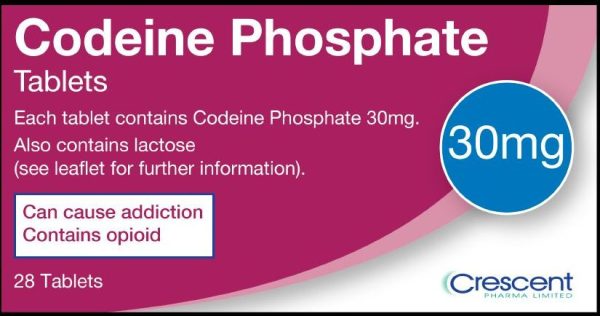
Codeine Phosphate 30 mg 28 Tablets is a prescription opioid painkiller used for the short‑term relief of moderate pain when standard painkillers such as paracetamol or ibuprofen alone are not enough. It is intended for situations where pain is strong enough to interfere with daily activities and needs more powerful relief under medical supervision. Because codeine is an opioid, it must always be used carefully, for the shortest possible time, and exactly as directed by a healthcare professional.
You can learn more and place an order for Codeine Phosphate 30 mg 28 Tablets (subject to suitability and prescription or consultation) at Pharm For You here:
Buy Codeine Phosphate 30 mg 28 Tablets –
https://pharmforyou.co.uk/product/buy-codeine-phosphate-30mg-28-tablets/
This article is for general information only and does not replace medical advice. Always follow the directions given by your doctor, prescriber, or pharmacist.
What is Codeine Phosphate 30 mg?
Codeine phosphate is classed as a weak opioid analgesic, which means it acts on the brain and spinal cord to change how pain signals are transmitted and perceived. Each tablet contains 30 mg of codeine phosphate as the active ingredient and is formulated to be swallowed whole with water. The 28‑tablet pack is typically prescribed for a short course of treatment, reflecting the recommendation that codeine should not be used long term for most types of pain.
Even though codeine is described as a weaker opioid compared to medicines such as morphine, it is still a powerful painkiller and must be treated with respect. Incorrect use, taking more than prescribed, or using it for longer than recommended can increase the risk of side effects, dependence, and misuse. For this reason, Codeine Phosphate 30 mg 28 Tablets should only be taken on the advice of a healthcare professional who has assessed your symptoms.
When is Codeine Phosphate 30 mg used?
Codeine Phosphate 30 mg is normally used when moderate pain has not responded adequately to non‑opioid painkillers taken on their own. This might include pain after surgery or dental procedures, musculoskeletal pain such as strains or sprains, and some types of nerve or injury‑related pain where your doctor believes codeine is appropriate. It is often used as a step up from simple analgesics, rather than the first treatment tried.
The aim of prescribing Codeine Phosphate 30 mg 28 Tablets is usually to manage a short, defined episode of pain. It is not generally recommended for chronic ongoing pain unless part of a carefully monitored treatment plan. If pain persists after a short course or returns once tablets are finished, it is important to speak to a doctor instead of continuing codeine without review.
Who can take Codeine Phosphate 30 mg?
Codeine Phosphate 30 mg is typically prescribed for adults and older adolescents where the benefits of treatment outweigh the risks. It is not suitable for everyone, so a full medical history and list of current medicines should be shared with the prescriber before starting treatment. Particular care is needed in elderly patients, those with breathing problems, liver or kidney impairment, or a history of substance misuse.
Children under 12 years must not take codeine for pain relief. In adolescents between 12 and 18 years, it is used with extra caution and only when other options are not sufficient, because some young people may be more sensitive to opioid effects. Pregnant or breastfeeding women should always seek explicit medical advice before using any opioid, including codeine, due to possible risks to the baby.
How Codeine Phosphate 30 mg works
Codeine works by binding to opioid receptors in the central nervous system. This reduces the transmission of pain signals and alters the emotional response to pain, so that the same physical stimulus feels less intense and easier to tolerate. In the body, codeine is partially converted into other active substances, including a small amount of morphine, which contributes to its pain‑relieving effect.
The same mechanisms that provide pain relief can also cause side effects, particularly drowsiness, slowed breathing, and changes in gut movement that lead to constipation. Because people metabolise codeine at different rates, some individuals experience stronger effects from the same dose. This is one reason why self‑medicating with higher doses than prescribed is unsafe and can quickly lead to serious problems.
How to take Codeine Phosphate 30 mg 28 Tablets
The exact dose and schedule will be set by your doctor, based on the severity of your pain, your age, your general health, and previous response to painkillers. A common adult dose for pain relief is one or two 30 mg tablets every four hours as needed, up to a maximum daily amount recommended by your prescriber. You should never exceed the total daily dose that has been agreed with your healthcare professional.
Tablets are usually swallowed whole with water and can be taken with or after food if they upset your stomach. Do not crush or chew the tablets unless your doctor specifically instructs you to do so. If you miss a dose, take it as soon as you remember, unless it is almost time for the next one; in that case, skip the missed dose and carry on as normal. Do not double up doses to make up for a forgotten tablet.
How long should you use Codeine Phosphate 30 mg?
Codeine is best suited for short‑term use. In many cases, treatment is limited to just a few days. The idea is to control pain during the most intense phase and then step back down to milder painkillers or non‑drug approaches as symptoms improve. Taking Codeine Phosphate 30 mg 28 Tablets for longer than recommended increases the risk of dependence, tolerance, and withdrawal symptoms when stopping.
If your pain has not improved after three days of treatment, or if you feel you need to carry on beyond the course initially planned, contact your doctor for advice rather than extending the course yourself. Your prescriber may adjust the dose, switch to a different medicine, or investigate the cause of your pain in more detail. Never treat ongoing or worsening pain by simply increasing the number of tablets you take.
Possible side effects
As with all medicines, Codeine Phosphate 30 mg Tablets can cause side effects. Not everyone gets them, but being aware of what to look out for helps you act quickly if problems arise. Commonly reported side effects include drowsiness, dizziness, nausea, vomiting, constipation, dry mouth, and a general feeling of light‑headedness. These are often more noticeable when you first start treatment or when doses are increased.
There are also more serious side effects that need urgent medical attention. These include difficulty breathing or very slow breathing, severe drowsiness where you find it hard to stay awake, confusion, fainting, allergic reactions such as swelling of the face or throat, or a fast or irregular heartbeat. If you or someone around you notices these symptoms, immediate medical help is essential, as they can indicate dangerous opioid effects.
Dependence, tolerance, and withdrawal
Because codeine is an opioid, there is a risk of developing tolerance and dependence if it is used regularly for longer than recommended or at higher doses than prescribed. Tolerance means that over time the same dose has less effect, tempting people to take more. Dependence means your body becomes used to the medicine, and stopping suddenly can cause unpleasant withdrawal symptoms, even if you have been taking it exactly as directed.
Withdrawal can involve restlessness, irritability, anxiety, sweating, runny nose, stomach cramps, diarrhoea, and disturbed sleep. To reduce the risk of dependence and withdrawal, use Codeine Phosphate 30 mg 28 Tablets only for the time advised and at the lowest effective dose. If your prescriber decides you need to stop after a longer course, they may advise a gradual reduction in dose rather than stopping all at once.
Warnings, precautions, and interactions
Certain health conditions can make codeine less suitable or require close monitoring. These include severe breathing disorders such as asthma or chronic obstructive pulmonary disease, serious liver or kidney problems, head injuries, conditions with increased pressure in the skull, and some types of abdominal pain where the cause has not yet been diagnosed. If any of these apply to you, it is vital to tell your doctor before using codeine.
Codeine can also interact with other medicines that affect the brain and nervous system. This includes other opioid analgesics, some antidepressants, tranquillisers, sleeping tablets, certain antihistamines, and alcohol. Combining these can increase drowsiness and the risk of breathing problems. Always inform your prescriber and pharmacist about everything you are taking, including over‑the‑counter medicines and herbal products, so they can check for unsafe combinations.
Safe use and storage at home
To use Codeine Phosphate 30 mg 28 Tablets safely, always keep them out of the sight and reach of children and anyone for whom they have not been prescribed. Store the tablets in their original packaging, away from excess heat and moisture. Never share your medicine with friends or family, even if their symptoms seem similar, because what is safe for one person may be dangerous for another.
If you have tablets left over once your course is finished, do not keep them “just in case” or dispose of them in household waste. The safest option is to return any unused tablets to a pharmacy for proper disposal. This helps prevent accidental ingestion, reduces the risk of misuse, and protects the environment.
Buying Codeine Phosphate 30 mg 28 Tablets from Pharm For You
Pharm For You offers a convenient and discreet way to access Codeine Phosphate 30 mg 28 Tablets within a regulated UK pharmacy framework. When you order, you will go through the required checks to ensure that this medicine is suitable for your needs and that it can be supplied safely under prescription or following an appropriate consultation. Genuine, properly stored medicine and professional oversight are essential with any opioid, including codeine.
To read more about this medicine, review pack details, and start your order, visit:
Buy Codeine Phosphate 30 mg 28 Tablets –
https://pharmforyou.co.uk/product/buy-codeine-phosphate-30mg-28-tablets/
Using Codeine Phosphate 30 mg 28 Tablets exactly as directed, for the shortest appropriate time, and in partnership with a qualified healthcare professional helps you manage pain effectively while keeping safety at the centre of your treatment.
