- Your cart is empty
- Continue Shopping


Dihydrocodeine 30mg (100 Tablets): The Comprehensive Guide to Effective Pain Relief
- Uncategorized, blog, Caregiver Tips, Continence Care, Family Care, Mom + Baby Care
- Posted on
-
by pharm_product
- 0 comments
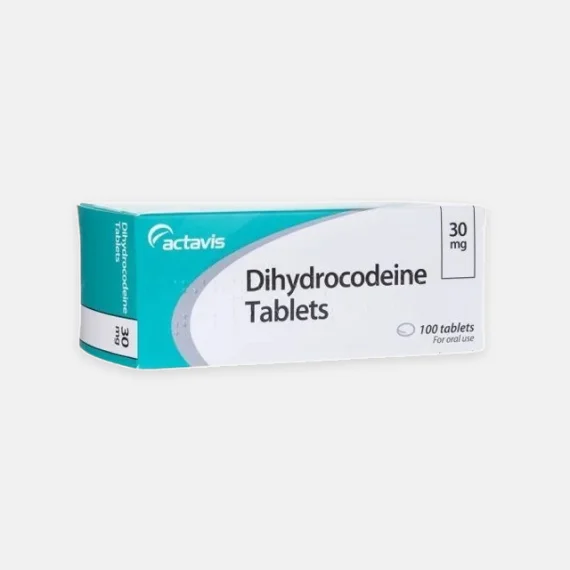
Living with pain can be an exhausting and isolating experience. Whether it stems from a recent surgery, a persistent injury, or a chronic condition like arthritis, pain has the power to disrupt every aspect of your daily life. It affects your sleep, your mood, your ability to work, and your relationships with those around you. When standard over-the-counter painkillers like paracetamol or ibuprofen are no longer sufficient to keep your discomfort at bay, it may be time to consider a more robust solution. This is where Dihydrocodeine 30mg 100 Tablets can play a pivotal role in your pain management strategy.
This comprehensive guide will explore everything you need to know about Dihydrocodeine 30mg. We will delve into how it works, the specific conditions it treats, recommended dosages, safety precautions, and why choosing a reputable supplier is crucial for your health and peace of mind. By the end of this article, you will have a clear understanding of how this medication can help you regain control over your life and find the relief you deserve.
Understanding Moderate to Severe Pain
Before analyzing the medication itself, it is essential to understand the nature of the pain it is designed to treat. Pain is generally categorized into two main types: acute and chronic. Acute pain is typically short-term, often resulting from tissue damage such as a broken bone, a surgical incision, or a dental procedure. It serves as a warning signal from your body that something is wrong. Chronic pain, on the other hand, persists for weeks, months, or even years, often continuing long after the initial injury has healed.
Dihydrocodeine 30mg is specifically formulated to address both categories when the intensity falls into the “moderate to severe” range. This is the type of pain that distracts you from conversation, makes it difficult to fall asleep, or prevents you from performing basic household chores. In these scenarios, the effectiveness of weaker analgesics often hits a “ceiling,” where taking more of the drug provides no additional relief but increases the risk of side effects. Opioid analgesics like Dihydrocodeine are the next step on the World Health Organization’s pain relief ladder, offering a more potent mechanism to dampen the pain signals reaching your brain.
What is Dihydrocodeine?
Dihydrocodeine is a semi-synthetic opioid analgesic. It was developed to provide an effective middle ground between milder painkillers and the highly potent opioids used in hospital settings. Chemically related to codeine and morphine, it acts on the central nervous system to alter the body’s response to pain.
The “30mg” designation refers to the strength of the active ingredient in each tablet. This dosage is widely regarded as the therapeutic standard for managing significant pain without the overwhelming sedation associated with higher-potency opioids. When you purchase Dihydrocodeine 30mg 100 Tablets, you are obtaining a supply of medication intended to provide consistent, reliable relief over a period of treatment, which is particularly beneficial for those managing ongoing conditions or recovering from substantial medical procedures.
It is important to note that Dihydrocodeine is often considered slightly more potent than standard codeine, with many patients reporting a better efficacy profile for treating deep-seated or nerve-related pain. Its pharmacological structure allows it to bind effectively to opioid receptors, providing a soothing effect that not only diminishes physical pain indices but also reduces the emotional stress and anxiety that often accompany severe discomfort.
How Does Dihydrocodeine Work?
To understand how Dihydrocodeine brings about relief, we must look at the human body’s nervous system. When you injure yourself—say, by twisting an ankle or undergoing surgery—nerves at the site of the trauma send electrical signals through the spinal cord to the brain. Once these signals reach the brain, they are interpreted as “pain.”
Dihydrocodeine works by mimicking the action of endorphins, which are natural pain-relieving chemicals produced by the body. The drug travels through the bloodstream and crosses the blood-brain barrier to attach itself to specific proteins called “mu-opioid receptors.” These receptors are found on the surfaces of nerve cells in the brain and spinal cord.
When Dihydrocodeine binds to these receptors, it achieves three key outcomes:
1. Blockage of Pain Signals: It interferes with the transmission of pain messages from the spinal cord to the brain. The signals are essentially “turned down,” much like lowering the volume on a radio. You may still know the injury is there, but the sensation continues to be far less distressing.
2. Altered Perception: It changes the way your brain perceives pain. Instead of an urgent, sharp, or throbbing sensation that demands all your attention, the pain becomes distant and manageable.
3. Central Nervous System Depression: It produces a mild sedative effect. This relaxation of the central nervous system helps reduce the physical tension that often exacerbates pain, allowing muscles to relax and helping patients to rest more easily.
This multi-faceted approach makes [Dihydrocodeine 30mg 100 Tablets](https://pharmforyou.co.uk/product/dihydrocodeine-30mg-100-tablets/) a highly effective tool in the arsenal of pain management.
Primary Uses and Indications
Dihydrocodeine 30mg is a versatile medication prescribed for a wide array of painful conditions. Its efficacy makes it a go-to choice for doctors and specialists treating:
1. Post-Operative Pain
Recovery after surgery can be a grueling process. Whether it is orthopedic surgery, abdominal procedures, or dental work, the tissue trauma involved results in significant acute pain. Proper pain control is vital not just for comfort, but for recovery; patients who are pain-free are able to move sooner (reducing the risk of clots), breathe more deeply (reducing the risk of pneumonia), and sleep better (facilitating tissue repair). Dihydrocodeine provides the necessary cover to navigate the first few weeks of healing.
2. Musculoskeletal Injuries
From fractured bones to severe sprains and torn ligaments, musculoskeletal injuries are notoriously painful. The deep, aching throbbing associated with bone pain often does not respond well to simple anti-inflammatories. Dihydrocodeine penetrates this type of pain effectively, allowing for the rehabilitation and physiotherapy exercises needed to restore function.
3. Arthritis and Joint Pain
For sufferers of Osteoarthritis or Rheumatoid Arthritis, pain is a daily reality. While Dihydrocodeine is not an anti-inflammatory drug (and thus does not treat the inflammation of arthritis itself), it is excellent at managing the pain component. It is often used during “flare-ups” when the pain becomes unmanageable with standard maintenance medication.
4. Sciatica and Neuralgia
Nerve pain is distinctively sharp, shooting, and electrical. It can be incredibly difficult to treat. While specific nerve-pain agents are often the first line of defense, opioids like Dihydrocodeine can provide immediate breakthrough relief for the severe episodes of sciatica that leave patients immobile.
5. Chronic Back Pain
Chronic lower back pain is one of the leading causes of disability worldwide. For those where surgery is not an option or has failed, managing quality of life is the primary goal. A prescription of 100 tablets allows for a stable supply to manage “bad days” or to facilitate periods of activity that would otherwise be impossible.
Dosage and Administration Guide
Using Dihydrocodeine 30mg 100 Tablets responsibly is key to maximizing its benefits while minimizing risks. The following guidelines are general standards, but you should always follow the specific instructions provided by your prescriber or pharmacist.
Standard Dosage:
The typical adult dose is one 30mg tablet taken every 4 to 6 hours.
How to Take:
– Swallow the tablet whole with a glass of water.
– It is best to take the medication with or after food. This can help minimize the risk of nausea, which is a common side effect of opioid medications.
– Do not crush or chew the tablets, as this can alter the rate at which the drug enters your system.
Maximum Daily Dose:
The maximum recommended dose in a 24-hour period is usually 180mg (equivalent to 6 tablets). Exceeding this limit significantly increases the risk of overdose, respiratory depression, and severe side effects. Never “double up” doses if you miss one; simply skip the missed dose and continue with your regular schedule.
Duration of Use:
Opioids are generally recommended for the shortest duration necessary. If you are using this medication for chronic pain, your doctor will likely review your usage regularly. The pack of 100 tablets offers a convenient quantity for longer courses of treatment, avoiding the need for constant pharmacy visits, but it requires disciplined self-monitoring to ensure usage remains within safe limits.
Safety Profile: Precautions and Contraindications
While Dihydrocodeine is a safe and effective medication for most people when used correctly, it is not suitable for everyone. Being aware of the contraindications is vital for your safety.
Do Not Take This Medication If:
– You have severe breathing problems, such as acute asthma or chronic obstructive pulmonary disease (COPD). Opioids can slow down breathing rates, which can be dangerous for those with already compromised lung function.
– You have a head injury or increased pressure inside the skull.
– You have a known allergy to codeine, dihydrocodeine, or other opioids.
– You are currently experiencing an acute attack of ulcerative colitis or Crohn’s disease.
– You have liver or kidney failure, as these organs are responsible for processing and excreting the drug.
Drug Interactions:
Dihydrocodeine can interact with other medicines, altering their effects or increasing the risk of serious side effects.
– Sedatives and Anti-anxiety meds (Benzodiazepines): Combining these with opioids can cause profound sedation and respiratory distress.
– Antidepressants (SSRIs/MAOIs): Some antidepressants interact with the way opioids are broken down.
– Alcohol: You should strictly avoid alcohol while taking Dihydrocodeine. Alcohol enhances the sedative effects of the drug, leading to extreme drowsiness, impairment of motor skills, and potentially fatal respiratory suppression.
Driving and Machinery:
Because Dihydrocodeine can cause drowsiness and slow reaction times, it is illegal and dangerous to drive if your ability to do so is impaired. When you first start the medication, or if your dose is increased, avoid driving or operating heavy machinery until you know exactly how the drug affects you.
Potential Side Effects and How to Manage Them
Like all medications, Dihydrocodeine comes with a list of potential side effects. Not everyone gets them, and they often wear off as your body adjusts to the medication.
Common Side Effects (occur in more than 1 in 100 people):
1. Constipation: This is the most common side effect of all opioids. They slow down the movement of the bowel.
* *Management:* Drink plenty of fluids, eat fiber-rich foods, and consider taking a gentle laxative if you are on a long course of treatment.
2. Drowsiness/Sedation: You may feel sleepy or “foggy.”
* *Management:* Do not drive. Take your breaks. This often improves after a few days.
3. Nausea or Vomiting:
* *Management:* Take the tablets with food. If severe, an anti-sickness medication may be prescribed.
4. Dry Mouth:
Management:* Sip water frequently or chew sugar-free gum.
Less Common Side Effects:
– Headaches
– Dizziness or vertigo
– Mood changes or confusion
– Itching or skin rash
Serious Side Effects (Seek medical attention immediately):
– Difficulty breathing or shallow breathing.
– Severe allergic reaction (swelling of the face, lips, tongue).
– Fainting or seizures.
Tolerance, Dependence, and Responsible Use
It is important to address the potential for dependence regarding any opioid medication. Dihydrocodeine is a potent drug, and prolonged use can lead to tolerance, meaning you need higher doses to achieve the same pain-relieving effect. This can spiral into physical dependence.
To reduce this risk:
– Stick strictly to the prescribed dose.
– Do not take the medication “just in case” pain might occur; take it only when needed.
– Engage in regular reviews with your healthcare provider.
– When it is time to stop, do so gradually. Stopping abruptly after long-term use can cause withdrawal symptoms like restlessness, runny nose, and stomach cramps. Tapering off the dose slowly allows your body to adjust comfortably.
Why Choose Pharm For You?
When it comes to purchasing medication online, trust and authenticity are paramount. The digital landscape is unfortunately populated with illegitimate sellers offering substandard or fake products. Pharm For You stands out as a reliable, secure, and professional option for your medical needs.
1. Authenticity Guaranteed
When you order [Dihydrocodeine 30mg 100 Tablets](https://pharmforyou.co.uk/product/dihydrocodeine-30mg-100-tablets/) from Pharm For You, you are guaranteed to receive genuine, UK-approved medication. Quality control is rigorous, ensuring that the tablet you take contains exactly the dosage stated on the box, free from harmful contaminants.
2. Discreet and Fast Delivery
Pain cannot wait. Pharm For You understands the urgency of your condition. They offer fast shipping options to ensure your medication arrives at your doorstep as quickly as possible. Furthermore, all packaging is discreet. Your medical history is your private business; the packaging gives no indication of its contents, respecting your privacy at every stage of the delivery process.
3. Secure Online Ordering
The website utilizes advanced encryption technology to protect your personal and financial data. You can browse, select, and purchase your required medication with the confidence that your information is safe.
4. Comprehensive Product Range
In addition to Dihydrocodeine, they stock a wide range of related medications (such as Codeine Phosphate and Co-Codamol), allowing you to find the exact formulation that suits your specific pain management profile.
The Role of Lifestyle in Pain Management
While Dihydrocodeine provides the chemical intervention needed to block pain, a holistic approach often yields the best long-term results. Combining medication with lifestyle adjustments can enhance your quality of life significantly.
Physical Therapy:
Gentle movement is often medicine. While rest is important in the acute phase of an injury, prolonged immobility can lead to stiffness and muscle wasting. Using Dihydrocodeine to lower pain levels can enable you to perform gentle stretching or walking, which circulates blood to the injured area and promotes healing.
Mental Health and Relaxation:
Chronic pain takes a toll on mental health. Stress and anxiety can physically increase muscle tension, which increases pain—a vicious cycle. Techniques such as mindfulness, deep breathing exercises, and adequate sleep hygiene (aided by the pain relief) can break this cycle.
Diet and Hydration:
A healthy body heals faster. ensuring you are well-hydrated and consuming a balanced diet rich in vitamins supports tissue repair. As mentioned, hydration is also critical in combating the constipating side effects of the medication.
Conclusion
Pain should not be the author of your life’s story. It is a hurdle, certainly, but with the right tools, it is one that can be overcome. Dihydrocodeine 30mg represents a powerful, proven solution for those finding themselves trapped by moderate to severe pain. It offers the strength required to mute the distress signals of the body, granting you the space to heal, rest, and return to the activities you love.
Whether you are looking ahead to a surgical recovery or battling the daily grind of a long-term condition, having a reliable supply of effective analgesic medication provides a safety net that is invaluable. [Dihydrocodeine 30mg 100 Tablets](https://pharmforyou.co.uk/product/dihydrocodeine-30mg-100-tablets/) offers a balance of potency and safety that has made it a staple in pain management protocols across the UK.
By choosing to order from Pharm For You, you are choosing quality, security, and efficiency. You are taking a proactive step towards managing your health. Remember to use the medication responsibly, adhere to dosage guidelines, and combine your pharmacological treatment with healthy lifestyle choices for the best outcome.
Don’t let pain dictate your schedule for another day. Explore your options, consult with your healthcare experts, and consider how Dihydrocodeine 30mg could be the key to unlocking a more comfortable, active, and pain-free future.
