- Your cart is empty
- Continue Shopping


Buy Alprazolam I.P. 1.0 mg Online in UK
- blog, Caregiver Tips, Continence Care, Family Care, Mom + Baby Care
- Posted on
-
by pharm_product
- 0 comments
Introduction
Mental health conditions such as anxiety disorders and panic attacks can significantly affect daily life, productivity, sleep, and emotional well-being. One commonly prescribed medication for managing these conditions is Alprazolam I.P. 1.0 mg, a medicine belonging to the benzodiazepine class. When used correctly under medical supervision, alprazolam can help reduce symptoms of anxiety, calm panic episodes, and restore a sense of balance.
This guide is designed to provide clear, accurate, and responsible information about Alprazolam I.P. 1.0 mg, including how it works, who it is prescribed for, correct usage, potential side effects, safety warnings, and important precautions. It is not a substitute for professional medical advice but a helpful resource for patients seeking better understanding.
What Is Alprazolam I.P. 1.0 mg?
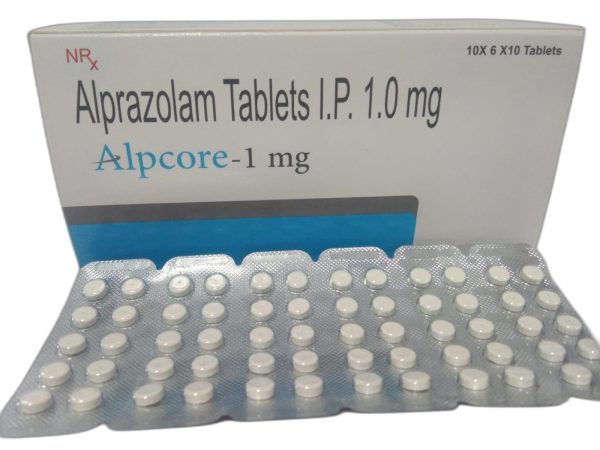
Alprazolam is a prescription medication classified as a benzodiazepine. It acts on the central nervous system to produce a calming effect. The “I.P.” designation means the formulation follows Indian Pharmacopoeia standards, ensuring quality and consistency.
Alprazolam I.P. 1.0 mg is a moderate-strength dose often prescribed for individuals who require more symptom control than lower doses can provide.
Medical Uses of Alprazolam
Doctors may prescribe Alprazolam I.P. 1.0 mg for the following conditions:
1. Anxiety Disorders
Alprazolam helps reduce excessive worry, nervousness, restlessness, and tension caused by generalized anxiety disorder (GAD).
2. Panic Disorder
It is commonly used to manage panic attacks, including sudden episodes of fear, rapid heartbeat, sweating, and shortness of breath.
3. Anxiety Associated With Depression
Some patients experience anxiety as part of depressive disorders, and alprazolam may be used as part of a broader treatment plan.
4. Short-Term Anxiety Relief
In specific situations, alprazolam may be prescribed for short-term anxiety related to stress, trauma, or medical procedures.
How Alprazolam Works in the Body
Alprazolam enhances the activity of GABA (gamma-aminobutyric acid), a neurotransmitter that slows down brain activity. By increasing GABA’s calming effects, alprazolam helps:
- Reduce excessive nerve signals
- Promote relaxation
- Ease tension and fear
- Improve sleep quality in anxious patients
This mechanism makes alprazolam effective—but also explains why careful dosing and monitoring are essential.
Dosage and Administration
General Dosage Guidelines
- Alprazolam I.P. 1.0 mg is only taken as prescribed by a doctor
- Dosage varies depending on:
- Age
- Medical condition
- Severity of symptoms
- Previous response to benzodiazepines
How to Take Alprazolam
- Take the tablet with water
- It can be taken with or without food
- Take it at the same time each day if prescribed regularly
- Do not crush or chew unless advised
Important Note on Duration
Alprazolam is usually prescribed for short-term use. Long-term use increases the risk of dependence and withdrawal symptoms.
Who Should Use Alprazolam With Caution?
Alprazolam may not be suitable for everyone. Inform your healthcare provider if you have:
- A history of substance abuse
- Breathing disorders (e.g., sleep apnea, COPD)
- Liver or kidney disease
- Glaucoma
- Depression with suicidal thoughts
- Pregnancy or breastfeeding
Elderly patients may require lower doses due to increased sensitivity.
Possible Side Effects
Like all medications, alprazolam may cause side effects. Not everyone experiences them, but awareness is important.
Common Side Effects
- Drowsiness
- Dizziness
- Fatigue
- Memory issues
- Difficulty concentrating
- Dry mouth
Less Common but Serious Side Effects
- Mood changes or confusion
- Depression worsening
- Slurred speech
- Poor coordination
- Breathing difficulties
If you experience severe or unusual symptoms, seek medical help immediately.
Risk of Dependence and Withdrawal
Alprazolam has a known risk of dependence, especially when used:
- At high doses
- For extended periods
- Without medical supervision
Withdrawal Symptoms May Include:
- Anxiety rebound
- Insomnia
- Irritability
- Tremors
- Seizures (in severe cases)
Never stop alprazolam suddenly. Dose reduction should always be gradual and guided by a doctor.
Drug Interactions
Alprazolam can interact with other medications and substances, including:
- Alcohol (dangerous interaction)
- Opioid painkillers
- Other sedatives
- Antidepressants
- Antifungal medications
- Certain antibiotics
Always inform your healthcare provider about all medicines and supplements you take.
Buy Alcohol and Alprazolam: A Dangerous Combination
Combining alprazolam with alcohol can cause:
- Extreme drowsiness
- Respiratory depression
- Loss of consciousness
- Increased risk of overdose
Alcohol should be strictly avoided while using alprazolam.
Use During Pregnancy and Breastfeeding
Alprazolam is generally not recommended during pregnancy unless absolutely necessary, as it may affect fetal development.
Breastfeeding mothers should consult a doctor, as alprazolam can pass into breast milk.
Storage and Handling
- Store at room temperature
- Keep away from heat and moisture
- Keep out of reach of children
- Do not use expired medication
Proper storage helps maintain the medicine’s effectiveness and safety.
Frequently Asked Questions (FAQs)
Is Alprazolam a Sleeping Pill?
No. While it may cause drowsiness, alprazolam is primarily used for anxiety and panic disorders.
How Long Does Alprazolam Take to Work?
Effects may begin within 30–60 minutes after taking the tablet.
Can I Drive After Taking Alprazolam?
Driving or operating machinery is not recommended until you know how the medicine affects you.
Is Alprazolam Safe for Long-Term Use?
Long-term use is generally discouraged unless closely supervised by a healthcare professional.
Importance of Medical Supervision
Alprazolam can be highly effective when used correctly—but misuse can be dangerous. Responsible use includes:
- Following the prescribed dose
- Regular medical check-ups
- Honest communication with your doctor
- Never sharing medication with others
Mental health treatment works best when medication is combined with therapy, lifestyle changes, and professional support.
When to Seek Immediate Medical Help
Seek urgent care if you experience:
- Trouble breathing
- Severe drowsiness or unresponsiveness
- Allergic reactions (rash, swelling, difficulty breathing)
- Sudden mood changes or suicidal thoughts
Final Thoughts
Alprazolam I.P. 1.0 mg is a powerful and effective medication for managing anxiety and panic disorders when prescribed and monitored appropriately. Understanding how it works, its benefits, and its risks empowers patients to use it responsibly and safely.
If you believe alprazolam may be appropriate for your condition, the first and most important step is to consult a qualified healthcare professional who can evaluate your needs and guide your treatment.
