- Your cart is empty
- Continue Shopping


Buy Codeine Phosphate 30 mg 28 Tablets Online at Pharm For You
- blog, Caregiver Tips, Continence Care, Family Care, Mom + Baby Care, Personal Care
- Posted on
-
by pharm_product
- 0 comments
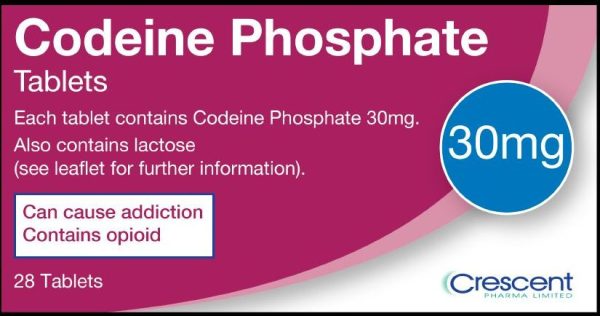
Pain management remains one of the most important aspects of modern healthcare. From acute injuries to post-surgical discomfort and chronic conditions, effective pain relief can significantly improve quality of life. Among prescription pain-relief medicines, Codeine Phosphate 60 mg Tablets are widely recognised for their role in managing moderate pain when other painkillers are not effective.
This in-depth guide explores what Codeine Phosphate is, how it works, when it is used, important safety considerations, side effects, responsible use, and what patients should know before considering treatment.
What Is Codeine Phosphate?
Codeine Phosphate is an opioid analgesic medicine used primarily to relieve moderate pain. It belongs to the opioid family, which works by interacting with specific receptors in the brain and nervous system to reduce the perception of pain.
Unlike stronger opioids such as morphine, codeine is considered a moderate-strength opioid, making it suitable for patients who require more relief than standard painkillers but do not need high-dose opioid therapy. Codeine Phosphate 60 mg Tablets are typically prescribed when milder options like paracetamol or ibuprofen are insufficient.
How Codeine Phosphate Works in the Body
After ingestion, Codeine Phosphate is absorbed into the bloodstream and partially converted in the liver into morphine. This conversion allows it to bind to opioid receptors in the brain, spinal cord, and peripheral nervous system.
This mechanism helps:
- Reduce pain signals sent to the brain
- Alter emotional response to pain
- Provide relief for ongoing or acute discomfort
Because of this opioid activity, Codeine Phosphate 60 mg Tablets must be used responsibly and only as directed.
Common Uses of Codeine Phosphate
Codeine Phosphate is prescribed for several medical situations where pain relief is required and other treatments have not been effective.
Moderate Pain Management
It is commonly used for:
- Post-operative pain
- Dental pain
- Injury-related pain
- Musculoskeletal pain
Combination Therapy
Codeine is sometimes combined with other medicines, such as paracetamol, to enhance pain relief. However, Codeine Phosphate 60 mg Tablets on their own provide targeted opioid pain control when required.
Who May Be Prescribed Codeine Phosphate?
Doctors may consider prescribing Codeine Phosphate for adults who:
- Experience persistent moderate pain
- Have not responded well to non-opioid painkillers
- Require short-term opioid treatment
It is not suitable for everyone. Patients with certain medical conditions or sensitivities may need alternative options instead of Codeine Phosphate 60 mg Tablets.
Important Safety Considerations
Because Codeine Phosphate is an opioid, safety is critical.
Risk of Dependence
Long-term or incorrect use can lead to dependence. For this reason, Codeine Phosphate 60 mg Tablets are typically prescribed for short-term use unless closely monitored.
Tolerance
Over time, the body may become less responsive, meaning higher doses would be needed to achieve the same effect. This is why medical supervision is essential.
Withdrawal Symptoms
Stopping codeine suddenly after prolonged use may lead to withdrawal symptoms such as restlessness, anxiety, or flu-like effects.
Possible Side Effects
Like all medicines, Codeine Phosphate can cause side effects, although not everyone experiences them.
Common Side Effects
- Drowsiness
- Dizziness
- Constipation
- Nausea
Less Common but Serious Effects
- Breathing difficulties
- Severe allergic reactions
- Confusion or extreme sedation
If any serious reactions occur, medical advice should be sought immediately. Codeine Phosphate 60 mg Tablets should always be taken exactly as directed.
Interactions With Other Medicines
Codeine can interact with certain medications, increasing the risk of side effects.
You should inform your healthcare provider if you are using:
- Sedatives or sleeping tablets
- Anxiety medications
- Antidepressants
- Alcohol
Combining these with Codeine Phosphate 60 mg Tablets can enhance drowsiness and breathing suppression.
Who Should Avoid Codeine Phosphate?
Codeine Phosphate may not be suitable for:
- Children and adolescents
- Individuals with breathing disorders
- People with liver problems
- Patients with a history of substance misuse
A full medical evaluation is important before starting Codeine Phosphate 60 mg Tablets.
Responsible Use and Patient Awareness
Responsible use is essential to ensure both effectiveness and safety.
Follow Medical Guidance
Never exceed the prescribed dose or duration.
Avoid Sharing Medication
Codeine should never be shared with others, even if symptoms appear similar.
Storage
Keep tablets securely stored away from children and unauthorised individuals.
Using Codeine Phosphate 60 mg Tablets responsibly helps reduce risks while maximising therapeutic benefit.
Codeine Phosphate vs Other Pain Relief Options
Compared to non-opioid painkillers, Codeine Phosphate provides stronger relief for moderate pain. However, it carries more responsibility and monitoring requirements.
Non-opioid options are often preferred initially, with Codeine Phosphate 60 mg Tablets introduced only when necessary.
Short-Term vs Long-Term Use
Codeine Phosphate is generally intended for short-term use. Long-term use may be considered only when:
- Benefits clearly outweigh risks
- Regular medical reviews are conducted
- Alternative treatments are ineffective
This careful approach helps maintain safety with Codeine Phosphate 60 mg Tablets.
Managing Side Effects Effectively
Patients can reduce discomfort by:
- Staying hydrated
- Eating fibre-rich foods to manage constipation
- Avoiding alcohol
- Resting when drowsy
If side effects persist, a healthcare professional may adjust treatment involving Codeine Phosphate 60 mg Tablets.
The Importance of Medical Supervision
Because codeine affects the central nervous system, professional oversight ensures:
- Correct dosage
- Reduced risk of misuse
- Safe discontinuation
Regular check-ins help patients use Codeine Phosphate 60 mg Tablets safely and effectively.
Final Thoughts
Codeine Phosphate remains an important option for managing moderate pain when other treatments are insufficient. When used responsibly and under proper medical guidance, it can significantly improve comfort and quality of life.
However, due to its opioid nature, awareness, caution, and adherence to medical advice are essential. Understanding benefits, risks, and safety considerations allows patients to make informed decisions about Codeine Phosphate 60 mg Tablets.
