- Your cart is empty
- Continue Shopping


Alprazolam IP 1.0 mg and Codeine Phosphate 30 mg: Uses, Safety, Risks & Responsible Medical Guidance
- Uncategorized
- Posted on
-
by pharm_product
- 0 comments
Prescription medications play an important role in managing both mental and physical health conditions when used correctly under medical supervision. Two commonly prescribed—but often misunderstood—medications are Alprazolam IP 1.0 mg and Codeine Phosphate 30 mg. While they treat very different conditions, both belong to drug classes that carry significant risks if misused.
This article provides a clear, educational overview of these medications, explaining what they are, how they work, their approved medical uses, potential side effects, and essential safety considerations. It is intended for informational purposes only and does not replace professional medical advice.
Understanding Alprazolam IP 1.0 mg
Alprazolam is a prescription medication belonging to the benzodiazepine class of drugs. It is widely prescribed for anxiety-related conditions and is known for its fast-acting calming effects.
🔗 Reference product page:
https://pharmforyou.co.uk/product/alprazolam-i-p-1-0-mg/
What Is Alprazolam Used For?
Doctors may prescribe alprazolam for:
- Generalized Anxiety Disorder (GAD)
- Panic disorder
- Short-term relief of severe anxiety symptoms
- Anxiety associated with depression (in some cases)
Alprazolam works by enhancing the effect of GABA, a neurotransmitter in the brain that helps reduce excessive nerve activity. This produces a calming and sedative effect.
How Alprazolam Works in the Body
The brain relies on chemical messengers to regulate mood and stress responses. Alprazolam increases the action of GABA, which:
- Slows brain activity
- Reduces feelings of panic and fear
- Produces muscle relaxation
- May cause drowsiness or sedation
Because alprazolam acts quickly, it is often prescribed for acute anxiety episodes, rather than long-term daily use.
Potential Side Effects of Alprazolam
Common side effects may include:
- Drowsiness
- Dizziness
- Fatigue
- Difficulty concentrating
- Slurred speech
More serious side effects can occur, particularly with long-term use or misuse:
- Memory impairment
- Mood changes
- Dependence and tolerance
- Withdrawal symptoms if stopped suddenly
⚠️ Abrupt discontinuation can cause withdrawal effects such as anxiety rebound, tremors, or seizures.
Dependency and Safety Concerns
Alprazolam has a high potential for dependence, especially when used for extended periods or at higher doses. For this reason:
- It should only be used under medical supervision
- Long-term use is usually avoided
- Dosage changes should never be made without consulting a doctor
Mixing alprazolam with alcohol, opioids, or other sedatives greatly increases the risk of respiratory depression and overdose.
Understanding Codeine Phosphate 30 mg
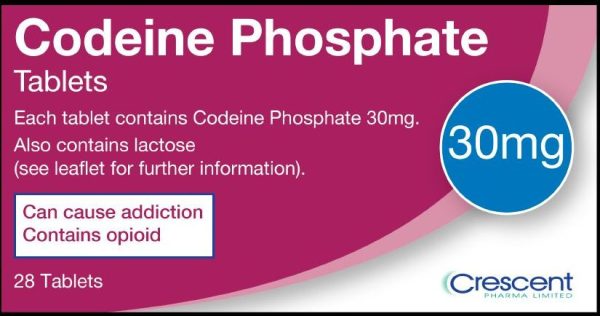
Codeine Phosphate is an opioid analgesic commonly used for pain relief and cough suppression. It is a controlled medication due to its potential for misuse and addiction.
🔗 Reference product page:
https://pharmforyou.co.uk/product/buy-codeine-phosphate-30mg-28-tablets/
Medical Uses of Codeine Phosphate
Codeine may be prescribed for:
- Mild to moderate pain
- Persistent dry cough
- Pain relief when other non-opioid medications are insufficient
Once ingested, codeine is partially converted into morphine in the body, which produces its pain-relieving effects.
How Codeine Works
Codeine acts on opioid receptors in the brain and spinal cord to:
- Reduce pain perception
- Suppress cough reflexes
- Induce sedation and relaxation
Because of its opioid properties, codeine affects the central nervous system and must be used cautiously.
Side Effects of Codeine Phosphate
Common side effects include:
- Drowsiness
- Constipation
- Nausea or vomiting
- Dizziness
- Dry mouth
More serious risks include:
- Respiratory depression
- Low blood pressure
- Confusion
- Dependency or addiction
The risk increases when codeine is taken in higher amounts or combined with alcohol or other sedatives.
Dependency and Misuse Risks
Codeine carries a significant risk of misuse and addiction, particularly with prolonged use. Over time, the body can develop tolerance, meaning higher doses are needed to achieve the same effect—raising overdose risk.
Sudden discontinuation after long-term use may cause withdrawal symptoms such as:
- Muscle aches
- Anxiety
- Insomnia
- Sweating
- Gastrointestinal discomfort
Alprazolam vs Codeine: Key Differences
| Feature | Alprazolam | Codeine Phosphate |
|---|---|---|
| Drug Class | Benzodiazepine | Opioid |
| Primary Use | Anxiety & panic disorders | Pain & cough relief |
| Sedative Effect | Yes | Yes |
| Addiction Risk | High | High |
| Affects Breathing | When combined with other depressants | Yes, directly |
Despite different medical purposes, both drugs depress the central nervous system, making combined use extremely dangerous unless explicitly directed by a healthcare provider.
Why Combining These Medications Is Dangerous
Taking alprazolam and codeine together significantly increases the risk of:
- Extreme sedation
- Suppressed breathing
- Loss of consciousness
- Fatal overdose
Medical professionals generally avoid prescribing these drugs together unless absolutely necessary and closely monitored.
Legal and Prescription Considerations
Both alprazolam and codeine phosphate are:
- Prescription-only medications
- Regulated or controlled substances
- Intended for short-term or closely monitored use
Laws governing their sale and use vary by country, but unauthorized use, sharing, or purchasing without a prescription may be illegal and unsafe.
Safe Use Guidelines (General Information)
✔ Always follow your doctor’s instructions
✔ Never exceed prescribed dosage
✔ Avoid alcohol and recreational drugs
✔ Do not drive or operate machinery if drowsy
✔ Store securely away from children
❌ Do not share medications
❌ Do not stop suddenly without medical advice
❌ Do not combine without professional guidance
When to Seek Medical Help
Seek immediate medical attention if you experience:
- Difficulty breathing
- Extreme drowsiness
- Confusion or fainting
- Blue lips or fingertips
- Severe allergic reactions
Frequently Asked Questions
Are these medications safe?
Yes—when prescribed and used correctly under medical supervision.
Can they be used long-term?
Generally no. Both medications are usually prescribed for short-term use due to dependency risks.
Are they the same as over-the-counter medicines?
No. These are controlled prescription drugs with stronger effects and higher risks.
Final Thoughts
Alprazolam IP 1.0 mg and Codeine Phosphate 30 mg are powerful medications with legitimate medical uses—but they also carry serious risks. Understanding how they work, their side effects, and the importance of medical supervision is essential for safe use.
These medications should never be viewed as casual treatments or taken without professional guidance. Responsible education and awareness help protect patients from harm while ensuring effective treatment when genuinely needed.
