- Your cart is empty
- Continue Shopping


Lorazepam IP 1 mg – Comprehensive Informational Guide
- blog
- Posted on
-
by pharm_product
- 0 comments
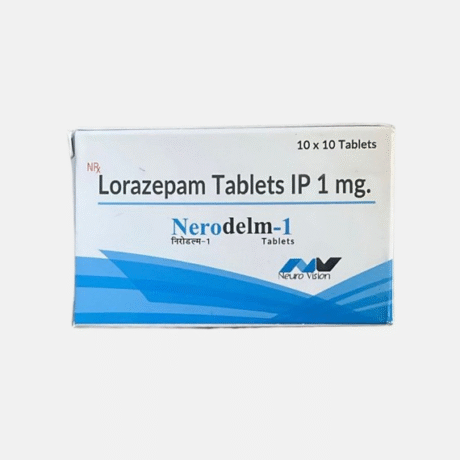
Reference product: Lorazepam IP 1 mg (30 Tablets)
Introduction
Lorazepam IP 1 mg is a prescription medicine belonging to the class of drugs known as benzodiazepines. These medicines are widely recognized for their calming, anxiolytic, muscle-relaxant, and anticonvulsant effects. Lorazepam acts by enhancing the effect of a natural brain chemical that helps regulate nerve activity, providing relief from conditions linked to excessive anxiety or tension.
This guide explains how Lorazepam works, its recognized clinical uses, common side effects, precautions, dosage considerations, safe handling, and key warnings for responsible use. It is intended only as general educational information and not as medical advice. Always use Lorazepam strictly under the direction of a qualified healthcare professional.
1. What Lorazepam Is
Lorazepam is a central nervous system depressant that reduces abnormal excitement in the brain. It has been available for many decades and is known for its reliability and predictable effects. The “IP 1 mg” formulation indicates that each tablet contains one milligram of the active substance Lorazepam, manufactured in accordance with Indian Pharmacopoeia standards.
The medication is usually provided in blister packs of thirty tablets, designed for oral administration. Although the dosage strength appears modest, Lorazepam is a potent drug; even small doses can have significant physiological effects. It is therefore prescribed only when necessary and monitored carefully.
2. How Lorazepam Works
Lorazepam enhances the action of gamma-aminobutyric acid (GABA), the major inhibitory neurotransmitter in the brain. GABA naturally calms nerve activity. When Lorazepam binds to GABA receptors, it strengthens GABA’s effect, allowing chloride ions to enter nerve cells more easily. This makes the neurons less excitable and produces a calming influence on brain function.
The outcome of this mechanism includes:
- Reduction in anxiety and panic.
- Sedation and promotion of sleep.
- Relaxation of tense muscles.
- Suppression of seizure activity in emergency settings.
- Induction of amnesia useful in certain medical procedures.
Because of these actions, Lorazepam can be highly effective when used responsibly and for short periods under supervision.
3. Recognized Medical Uses
Doctors prescribe Lorazepam for several legitimate clinical reasons, including:
- Short-term treatment of severe anxiety disorders.
It is often used when anxiety is disabling, acute, or accompanied by panic symptoms. - Management of insomnia related to anxiety.
When stress or agitation interferes with rest, a short course of Lorazepam may be used to re-establish normal sleep. - Sedation before surgery or medical procedures.
Lorazepam may be given orally or intravenously to calm patients and reduce memory of unpleasant procedures. - Control of seizures.
Injectable Lorazepam is part of emergency treatment protocols for status epilepticus and other seizure emergencies. - Adjunct in certain psychiatric or neurological conditions.
Occasionally, Lorazepam helps manage agitation or catatonic symptoms while other therapies are adjusted.
Each of these uses requires specific dosing regimens determined by a healthcare provider.
4. Dosage and Administration
Lorazepam tablets are taken by mouth, swallowed with water. They may be taken with or without food, but consistent timing helps maintain stable blood levels.
Because individual sensitivity differs, dosage is customized. General clinical practice typically follows these guidelines:
- Anxiety: Adults may begin at 1 mg two or three times daily. The prescriber adjusts gradually to achieve symptom control with the smallest effective dose.
- Insomnia: A single 1 mg to 2 mg dose at bedtime is sometimes used for short periods.
- Elderly or debilitated patients: Reduced doses (often half the adult amount) are used because sensitivity and fall risk are higher.
Treatment should always start low and increase only if required. Stopping Lorazepam suddenly can cause withdrawal symptoms; therefore, discontinuation must be gradual under medical supervision.
5. Duration of Use
Lorazepam is intended primarily for short-term therapy. Many prescribers restrict continuous use to a few weeks, occasionally extending longer when clinically justified. Prolonged, unmonitored use can lead to tolerance, dependence, or withdrawal complications.
During therapy, patients are often reassessed to determine whether ongoing use remains necessary or whether non-drug therapies (such as cognitive-behavioral techniques for anxiety) might replace or complement medication.
6. Side Effects and Reactions
Like all medications, Lorazepam may cause side effects. Some are mild and transient; others require medical attention.
Common, usually mild:
- Drowsiness or fatigue.
- Dizziness or light-headedness.
- Blurred vision.
- Slowed reflexes or clumsiness.
- Temporary memory difficulties.
- Mild headache or changes in alertness.
Less common but potentially serious:
- Confusion, agitation, or mood swings.
- Muscle weakness or coordination problems.
- Difficulty breathing (especially if combined with alcohol or opioids).
- Allergic reactions such as rash, itching, or swelling of lips or face.
- Rare paradoxical reactions, in which anxiety or restlessness actually worsen.
Any persistent or severe reaction should prompt immediate contact with a healthcare professional.
7. Dependence and Withdrawal Risk
One of the most important safety considerations with Lorazepam is physical and psychological dependence. When taken regularly for more than a few weeks, the body adapts to the drug. Abruptly stopping may cause withdrawal symptoms such as anxiety rebound, insomnia, tremors, sweating, irritability, or, rarely, seizures.
To prevent this, physicians design gradual tapering schedules that allow the body to adjust slowly. Patients should never alter dose or stop treatment on their own initiative.
8. Precautions Before Use
Before starting Lorazepam IP 1 mg, a patient must inform the prescriber about:
- Any history of substance misuse or alcohol dependence.
- Current medications, including over-the-counter and herbal products.
- Medical conditions such as liver or kidney impairment, respiratory disease, glaucoma, or depression.
- Pregnancy or plans to conceive, because benzodiazepines may affect the fetus.
- Breastfeeding, since the drug passes into breast milk and may sedate the infant.
Older adults are especially vulnerable to confusion and falls, so they require lower doses and careful monitoring.
9. Drug Interactions
Lorazepam can interact with many other substances that depress the central nervous system. Major interactions include:
- Alcohol: Intensifies sedation and may cause life-threatening respiratory depression.
- Opioid pain medicines: When combined, risk of profound sedation or death increases.
- Other sedatives or sleeping pills: Additive drowsiness may occur.
- Certain antidepressants, antihistamines, and anticonvulsants: May enhance or be enhanced by Lorazepam.
- Caffeine and stimulants: Can partly counteract sedation, but also produce unpredictable effects.
A healthcare professional should review all concurrent medicines before Lorazepam is prescribed.
10. Use in Special Populations
Older Adults
Metabolism of Lorazepam is slower, increasing sensitivity. Lower doses reduce risk of drowsiness, falls, and confusion.
Pregnant or Breastfeeding Women
Lorazepam should be avoided unless absolutely necessary. Potential fetal effects include withdrawal symptoms in newborns. Nursing mothers may need alternative medications.
Liver or Kidney Impairment
Since Lorazepam is processed in the liver and eliminated by the kidneys, dose adjustment may be required under supervision.
Children
Lorazepam is rarely used in children except under specialist guidance for certain seizure disorders or procedural sedation.
11. Overdose and Emergency Situations
Taking more than the prescribed amount can result in serious medical emergencies. Symptoms of overdose may include extreme drowsiness, confusion, slurred speech, loss of balance, slowed breathing, or unconsciousness.
Immediate emergency assistance is vital. Treatment generally involves supportive care in a hospital setting until the medicine clears from the body.
Combining Lorazepam with alcohol or opioids dramatically increases the danger of overdose.
12. Safe Handling and Storage
- Keep Lorazepam tablets in their original packaging, away from heat and moisture.
- Store securely at room temperature, out of reach of children or anyone for whom it was not prescribed.
- Never share the medicine with others.
- Return unused tablets to a pharmacy if no longer needed; do not dispose of them in household waste or wastewater.
Proper storage helps maintain potency and prevents misuse.
13. Lifestyle and Non-Drug Support
Medication can ease acute symptoms, but long-term improvement in anxiety or sleep often depends on addressing underlying stress and habits. Techniques that may complement supervised Lorazepam use include:
- Regular physical activity.
- Good sleep hygiene and consistent bedtime routines.
- Cognitive-behavioral therapy or counseling.
- Relaxation exercises such as breathing, meditation, or yoga.
- Balanced nutrition and limiting stimulants like caffeine.
These methods help reduce reliance on medication and promote overall wellbeing.
14. Warning Against Misuse
Because Lorazepam produces calm and relaxation, it has a potential for non-medical use. Misuse—taking higher doses, using without a prescription, or combining with other substances—can cause severe health problems, dependence, and legal consequences.
Responsible use means taking it exactly as prescribed, reporting side effects promptly, and never obtaining it from unverified sources.
Only a licensed healthcare provider can decide whether Lorazepam IP 1 mg is appropriate for a given condition.
15. When to Seek Medical Help
Seek immediate medical attention if any of the following occur:
- Difficulty breathing or severe drowsiness.
- Confusion, hallucinations, or unusual behavioral changes.
- Signs of allergic reaction such as rash or swelling.
- Thoughts of self-harm or suicidal feelings.
- Sudden discontinuation symptoms such as tremor or convulsions.
Prompt evaluation ensures safety and allows timely dose adjustments.
16. Frequently Asked Questions
Q: How quickly does Lorazepam IP 1 mg start working?
A: Many people notice calming effects within 20 to 60 minutes after swallowing a tablet. Full relief of anxiety may take a little longer, depending on dose and individual response.
Q: Can I drive after taking Lorazepam?
A: Driving or operating machinery should be avoided until you know how the medication affects you. Drowsiness and slowed reflexes can impair reaction times.
Q: Can I drink coffee while on Lorazepam?
A: Moderate caffeine intake is usually acceptable but may slightly reduce the sedative effect. Avoid excessive caffeine as it can worsen anxiety once the medicine wears off.
Q: How long do effects last?
A: The calming effect typically lasts six to eight hours, sometimes longer, depending on metabolism and dose.
Q: What happens if I miss a dose?
A: Take it as soon as remembered unless it is almost time for the next scheduled dose. Do not double up to compensate for missed tablets.
17. Responsible Discontinuation
When symptoms improve or treatment duration ends, the prescriber will outline a tapering plan. A gradual reduction might involve decreasing the dose by small increments every few days or weeks. This process minimizes withdrawal discomfort and ensures safety.
Patients should attend all follow-up appointments and communicate any symptoms of rebound anxiety or insomnia during the taper.
18. Outlook for Patients
With proper medical guidance, Lorazepam IP 1 mg can provide valuable short-term relief from severe anxiety or agitation. Many people use it successfully for limited periods while addressing the underlying causes of stress through therapy or lifestyle changes.
The key to safe benefit lies in strict adherence to prescribed instructions, regular medical review, and awareness of risks associated with prolonged or unsupervised use.
19. Educational Summary
Lorazepam IP 1 mg (30 tablets) is a benzodiazepine medicine that acts quickly to calm the nervous system by strengthening the action of GABA. It is clinically useful for short-term management of anxiety, insomnia, and seizures.
While effective, it carries risks of dependence, withdrawal, sedation, and drug interactions. Responsible medical supervision, correct dosage, and avoidance of alcohol or opioids are essential.
The medication should always be viewed as part of a broader care plan that includes psychological support and lifestyle balance.
Conclusion
Lorazepam IP 1 mg is a powerful therapeutic tool when used appropriately under medical direction. Its ability to reduce anxiety and tension makes it valuable in clinical practice, but that same potency requires careful respect for dosage limits, monitoring, and avoidance of misuse.
Understanding its actions, side effects, and safe use principles helps patients work effectively with their healthcare providers to achieve the desired calming benefits without unnecessary risks.
For detailed product information, packaging specifications, or consultation with authorized pharmacy staff, please refer to the official listing:
https://pharmforyou.co.uk/product/lorazepam-ip-1mg-30-tablets/
